Help your lost dog
find the way home.
Help finding lost dogs and preventing future disappearances.
Lost Doggies is a practical reading room for the moments when a dog goes missing—and the everyday habits that can make those moments less likely. Find clear next steps, safer ways to share a sighting, and thoughtful support for the people waiting for a pet to come home.
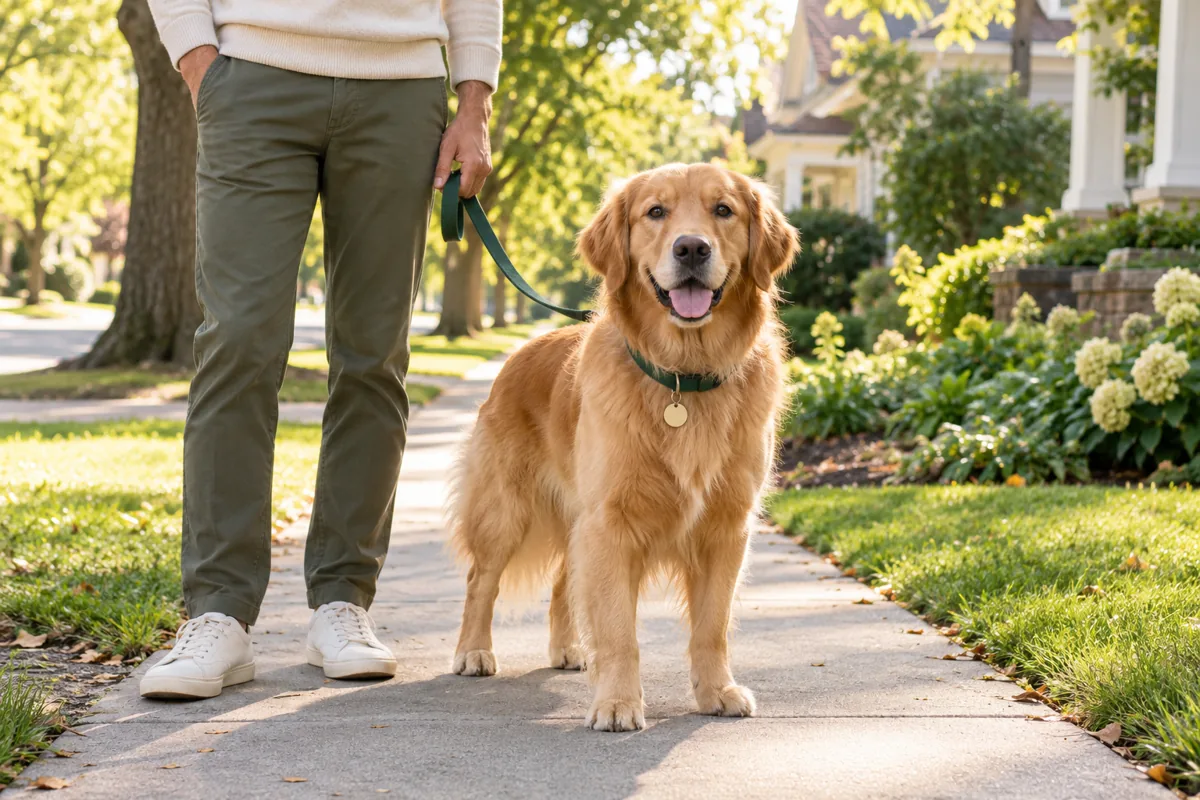
A lot of care.
Dog missing? Start with these six steps
You do not have to solve the entire search at once. Use this sequence to establish accurate facts and put people in useful roles. Several steps can happen together when trusted adults are available. Adjust the order if there is a present safety concern.
- Check the immediate spaces. Look inside the home and secure areas where the dog could be out of view. Ask household members who last actually saw the dog and whether anyone has taken them for a walk or visit.
- Write the last confirmed details. Record the place, time, direction, and collar or harness worn. Save a recent photo. Separate something directly observed from a guess about where the dog might have gone.
- Report the disappearance locally. Contact the animal services agency serving that area. Ask how to file a lost report, check intake photographs, and follow up. Keep the report reference and the facility's instructions.
- Make yourself reachable. Keep your phone charged and check calls and messages. Review microchip registration details through the official registry. Ask a trusted person to monitor replies when you need a break.
- Give neighbors a usable notice. Share a clear photo, approximate last-seen area and date, and one contact number. Ask for the time, location, and direction of sightings. Tell people not to chase or corner the dog.
- Keep one search record. Note checked areas, reports, and unfinished tasks. Choose a coordinator so helpers receive consistent information. Review the log when a credible lead arrives instead of sending everybody in different directions.
Use the first 24 hours checklist for a flexible timeline. Its time markers organize work; they are not deadlines after which recovery becomes impossible. A calm next action is useful even when you feel worried or tired.
A recovery plan that can change with the facts

Start with what you can confirm. A dog seen leaving the back gate at noon gives you a different starting point from a dog discovered missing after a long absence. Record the uncertainty, then choose actions that still help: official reporting, clear outreach, and safe checks of accessible nearby places.
Make your search map practical. Use streets, landmarks, and places you can identify again. Write when an area was checked and whether private spaces were inaccessible. Ask property owners to check garages and yards or request permission; do not assume an empty sidewalk means every nearby hiding place has been examined.
Incoming information needs its own timeline. A text received this evening may describe a dog seen in the morning. Ask the witness when they observed the animal, which way it moved, and whether there is a photo. Note both the sighting time and the message time so the report does not become an accidental live-location claim.
Choose the agency by service area, not simply by distance. Municipal shelters, county agencies, and private organizations can have different responsibilities. Ask where found dogs from the disappearance location are taken and how the facility wants you to check. Holding periods, reclaim requirements, and fees are local matters.
Humane World for Animals recommends that people report sightings without chasing. Its lost-dog recovery resource provides an independent animal welfare reference. Our guides build practical organization around that safety principle without offering capture instructions or claiming that one technique works for every dog.
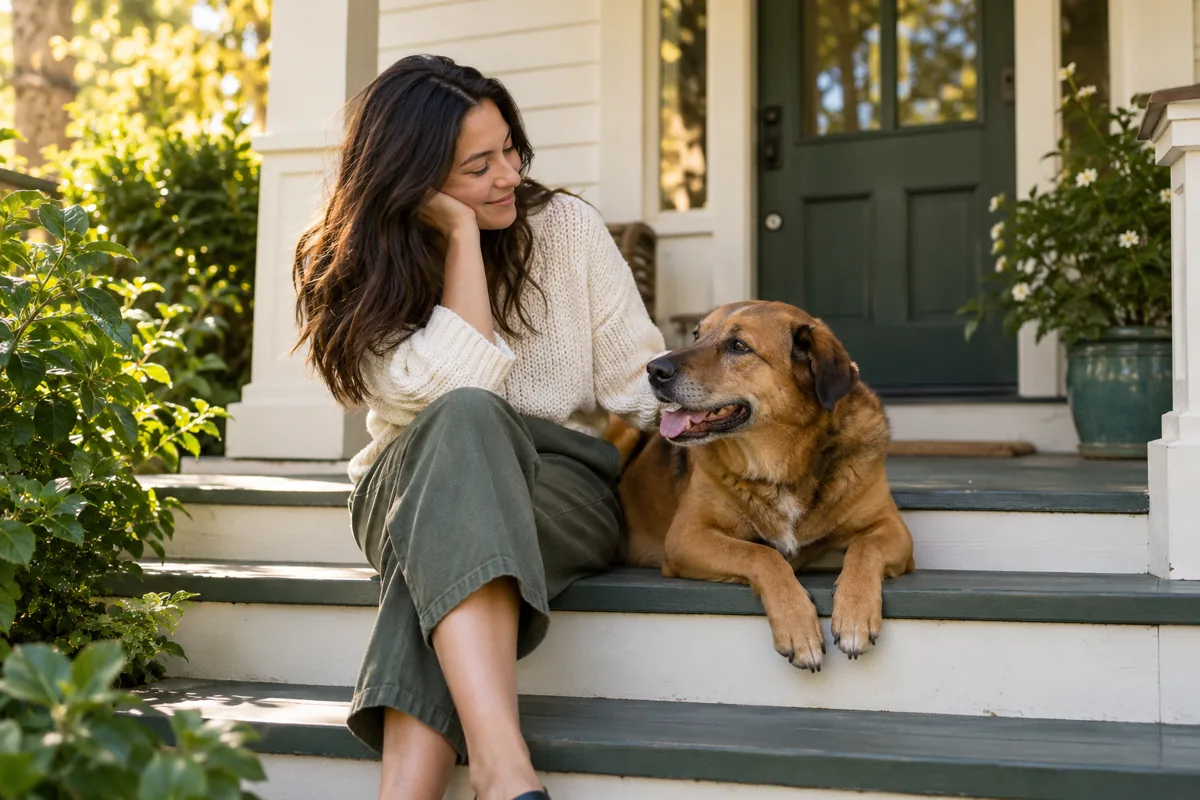
The field guide: from scattered tasks to a shared plan
The complete lost-dog recovery guide helps you turn a frightening situation into manageable work. It covers a private recovery folder, roles for helpers, official reports, neighborhood notices, sighting records, and decisions about the next search session.
A useful plan has room for new information. If your dog is seen repeatedly but avoids people, the next step may be consulting animal services or an experienced local recovery group rather than gathering a larger search party. If somebody says a similar dog is at a shelter, use the facility's official contact route to check.
Keep the public notice concise and ownership documents private. Share sensitive information only with the people who need it.
Small tools that help the whole neighborhood
A flyer that works at a glance. Put one recent photo, the approximate area and date, and a readable number ahead of decoration. Include a clear sighting instruction. Our flyer guide includes a copyable layout and separate checks for print and phone screens.
A sighting that stays useful. Watch only from a safe lawful position, record observable details, and tell the coordinator whether the dog is still visible. Avoid publicly summoning a crowd. Read how to help a scared lost dog before approaching an animal that keeps moving away.
A shared task list. Assign concrete jobs such as calling one agency, asking one business about displaying a notice, or logging messages for an agreed period. Ask helpers to report completed work and access limitations. “Three shops accepted flyers” is more informative than “Everyone knows now.”
A careful response to finder claims. Ask for a current photo and verify any claimed business through its independently published number. Keep passwords, verification codes, and financial details private. An urgent payment demand should prompt checking, not a rushed transfer. Arrange any handover through a suitable safe local channel.
Prevention begins with ordinary transitions

Think about the moments between two places: opening the front door for a package, letting a contractor through the gate, unloading a car, or entering unfamiliar lodging. These transitions deserve a repeatable routine. Decide who handles the dog and where the dog waits before the outside door opens.
Inspect fences and latches after weather, repairs, or yard work. A secure boundary on Monday may be compromised by a loose board on Tuesday. Supervise outdoor time and address the specific behavior you observe. A dog digging near the gate needs a different discussion from one frightened by noise at the front door.
Check harness and collar fit according to the product's instructions, and inspect clips and straps before departure. Ask a qualified humane trainer about slipping equipment or difficult handling. Do not test a new setup beside a road. Equipment, training, and supervision work together; none removes every possible escape risk.
Keep a readable ID tag and current registry information. AAHA's microchipping FAQs explain that a microchip identifies a pet when scanned; it does not provide GPS tracking. A wearable tracker is a different tool with its own power, attachment, and coverage limits.
Our escape-prevention guide offers a home-to-travel review. Choose one practical improvement today, such as replacing a worn tag or agreeing on a delivery-door routine, then review again when your household, equipment, or address changes.
Be there for the person waiting
A missing dog creates uncertainty. Support can be simple: acknowledge that the dog matters, avoid predicting an outcome, and offer a task you can finish. “I can print notices this afternoon” gives someone a choice. “Let me know if you need anything” may leave them with another decision to manage.
Ask which notice is current before sharing. Respect requests about privacy and precise sightings. Help with meals, other pets, or a short shift monitoring messages if that is welcome. You do not need a dramatic statement to show care; a reliable offer can make the next hour more manageable.
The phrase “lost a dog” also sometimes means the dog has died. Do not send a condolence message about death when a pet is still missing. Our communication guide covers both situations separately, with original sample texts and ways to avoid accidental assumptions.
For a confirmed death, dog condolence wording at HeartfeltTexts may provide additional message inspiration. Adapt any wording to the relationship and the person's beliefs. It is a communication resource, not a source for recovery, veterinary care, or professional grief counseling.
Taking a trip with your dog
Travel adds unfamiliar doors, crowded transitions, and places where your usual contacts cannot help directly. Before departure, save current photographs and essential records, confirm your contact number is usable at the destination, and identify the local animal services agency. Keep the leash and records accessible during unloading.
On arrival, inspect a lodging property's exits and outdoor space before allowing the dog to use them. A pet-friendly listing does not tell you whether a particular fence, balcony, or gate is suitable for your dog. Arrange a secure waiting space while people bring bags inside so an open door does not become an unnoticed exit.
If flying, ask the operating airline about pet eligibility, reservations, carrier requirements, and route restrictions directly. Discuss the dog's health and transport needs with your veterinarian. General baggage allowances do not establish pet acceptance or replace the airline's specific answer about your booking.
For the separate task of choosing your own bag, BaggageBase's personal-item size comparison can be a starting point for luggage research. Confirm current limits with the carrier. Keep luggage planning and pet-transport permission as separate checks, even when you pack supplies for both in the same trip.
After a reunion: close the loop with care
Confirm the dog is safely secured before posting a reunion announcement. Ask a veterinarian about injuries, illness, or unusual behavior. Give the family time to handle transport or care rather than expecting immediate photographs and a public story. A reunion can bring relief and still involve unfinished practical tasks.
Notify the agencies and people you contacted. Mark digital notices resolved and remove posters from approved display places. Use your posting log to find the old versions. Thank helpers without publishing the finder's private details or suggesting that every reported sighting was confirmed.
A personal note can name a specific contribution: “Your careful record of the sighting helped us decide where to check next.” If you want wording inspiration for celebrating a volunteer's contribution, MessageBlessings' volunteer congratulations ideas offer a separate communication resource. Use only wording that matches what the person actually did.
Six guides for the next useful step
Our reading collection follows distinct questions rather than repeating the same advice in six forms. Start with the broad recovery plan if you need to coordinate a search. Choose the first-day guide if you need a sequence, or the flyer guide when the immediate job is making information easier to share.
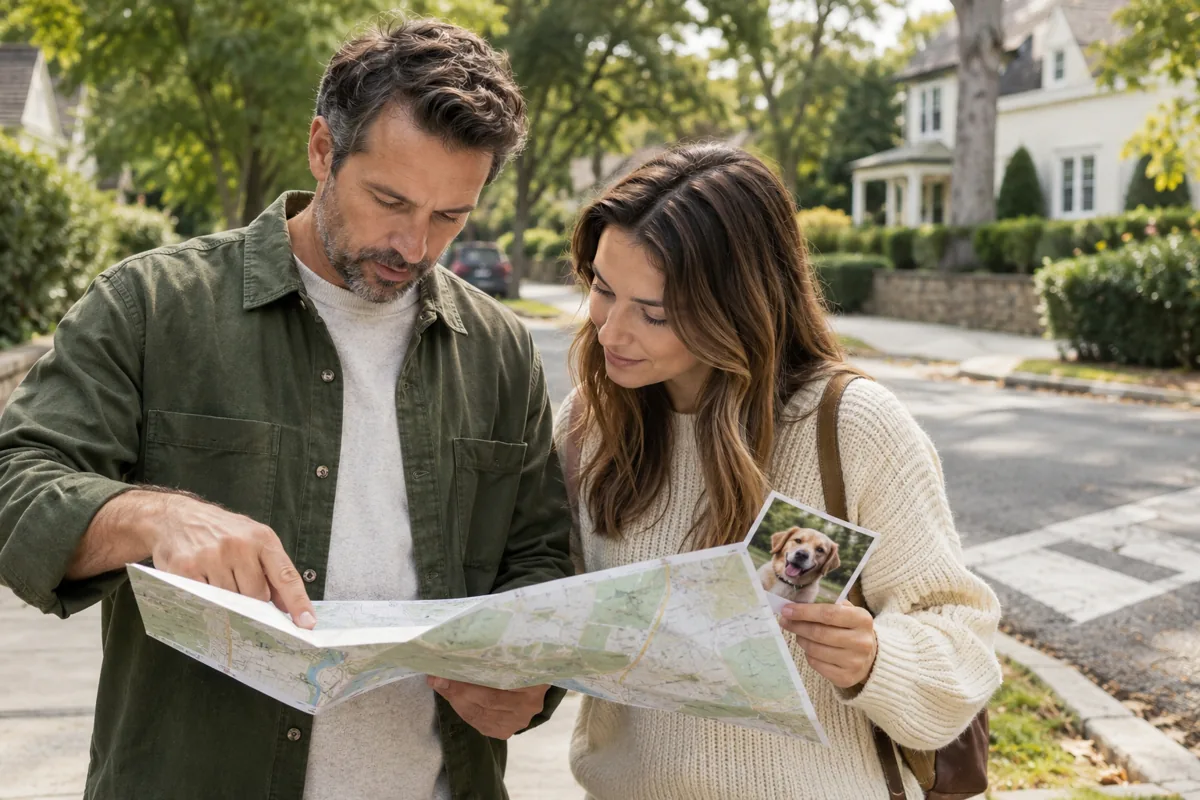
How to Find a Lost Dog: A Practical Recovery Plan
A shared plan for searching safely, recording sightings, and following up with the right local agencies.
Read the guide
The First 24 Hours After Your Dog Goes Missing
A flexible first-day sequence for reports, outreach, search sessions, and incoming messages.
Read the guide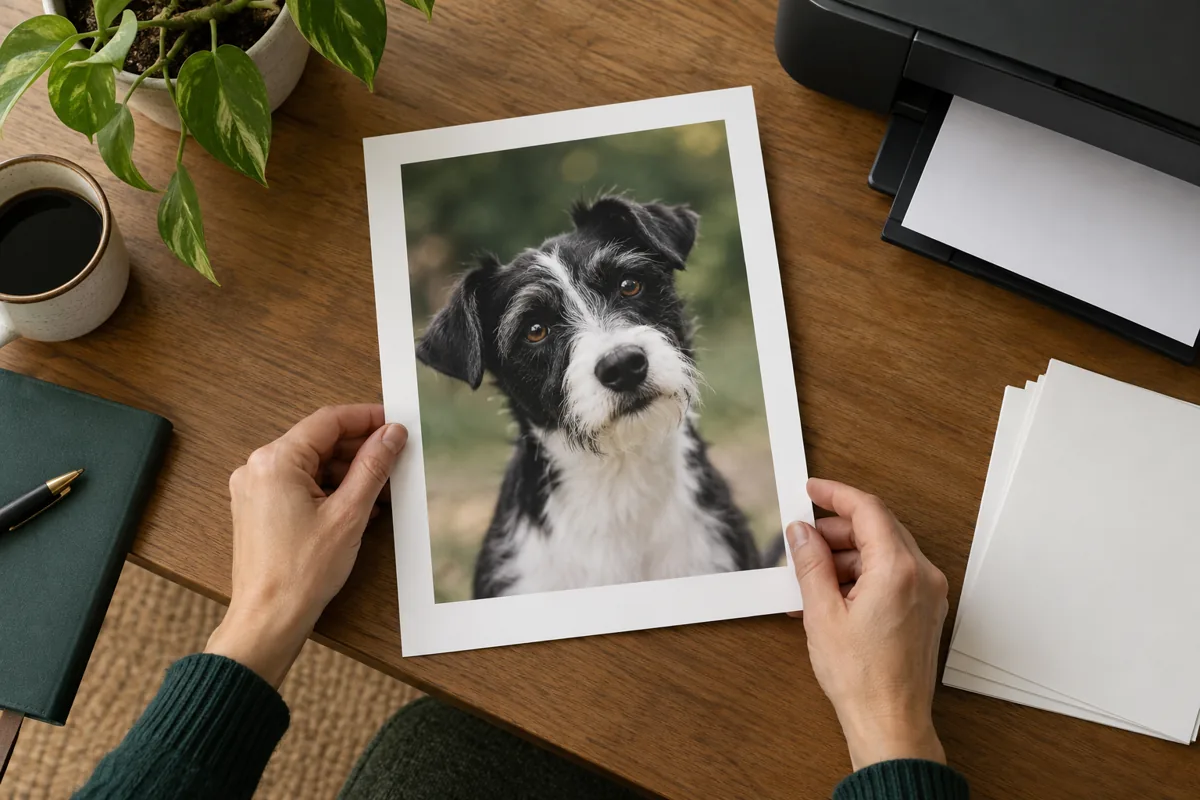
How to Make a Lost Dog Flyer People Actually Notice
What to include, what to keep private, and how to share a notice people can read quickly.
Read the guide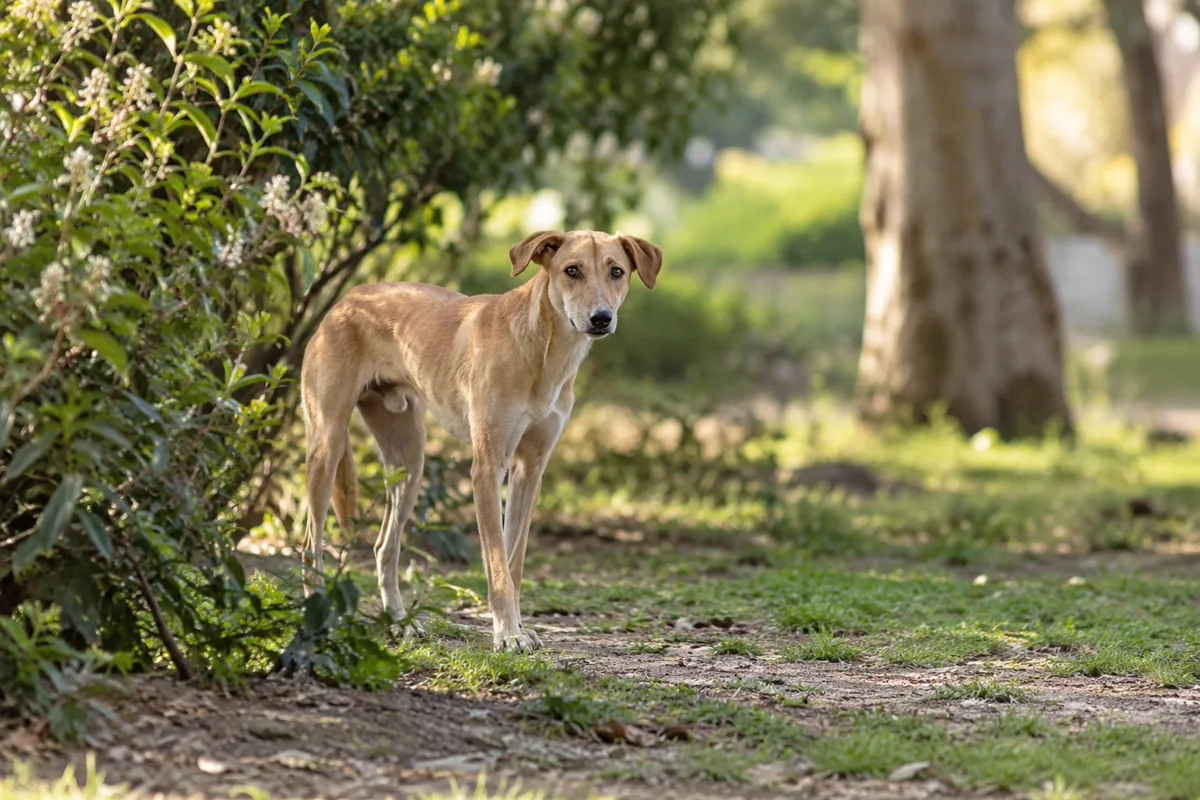
How to Help a Scared Lost Dog Without Making Things Worse
Help as a reliable witness without turning a useful sighting into a pursuit.
Read the guide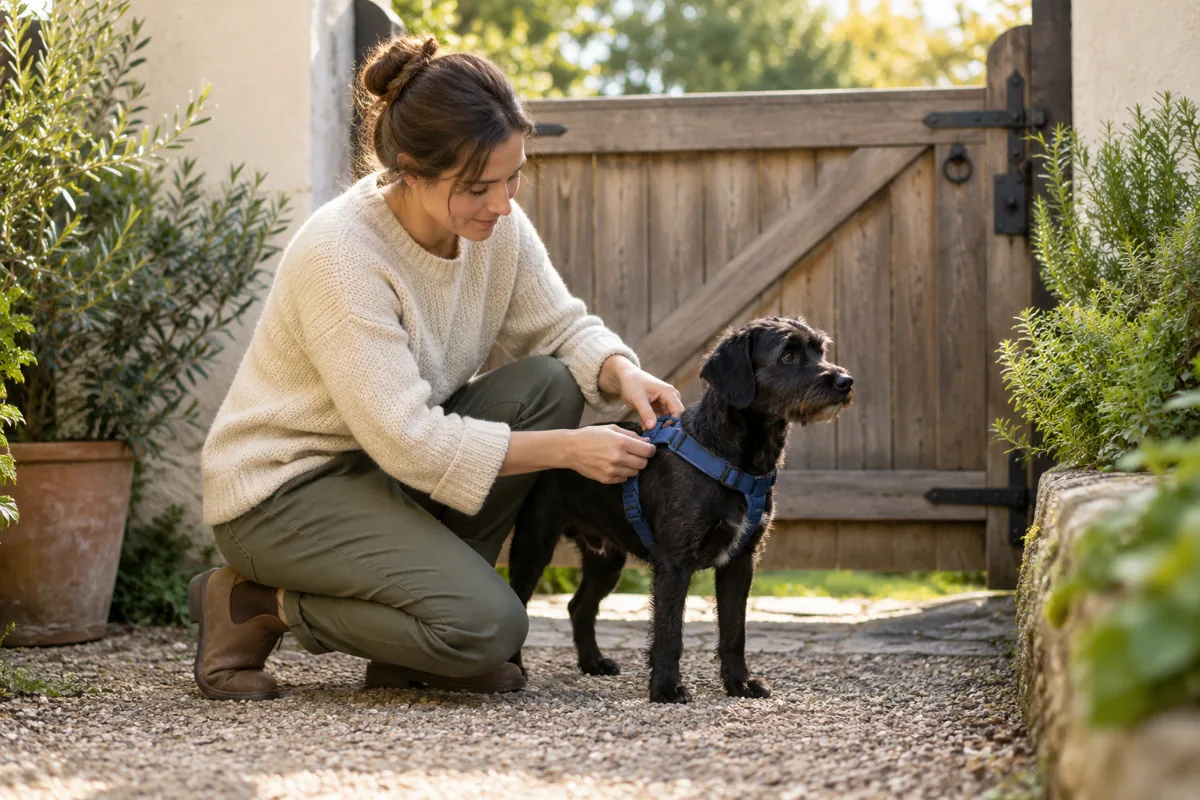
How to Prevent Your Dog From Running Away
A review of the gates, equipment, identification, and transitions that deserve a routine.
Read the guide
What to Say to Someone Who Lost a Dog
Original messages and realistic offers of help, with missing-pet uncertainty kept distinct from bereavement.
Read the guideInformation with clear limits
Lost Doggies is an independent educational publication. It is not a shelter, veterinary practice, rescue dispatch service, or missing-pet reporting database. This website does not accept sighting reports. Contact the owner through their verified notice or use the official animal services channel for the location.
Our editorial policy explains source selection, corrections, and AI-assisted production. Links to outside resources are identified by their actual subject, and generated photographs illustrate situations rather than document real recovery cases. We do not publish invented success rates, expert credentials, or promises about a particular dog's outcome.
Practical suggestions need local judgment. Professional advice takes priority for injury, unsafe handling, or urgent hazards. Reporting rules, property access, and poster placement also vary. When a general article cannot answer a location-specific question, ask the relevant local agency rather than filling the gap with an assumption.
Questions that come up during a search.
Should I wait before reporting my dog missing?
Contact the relevant local agency promptly. Ask how it accepts lost reports and where found-dog photographs appear. You can begin safe nearby checks and neighborhood outreach at the same time.
Can a microchip show where my dog is?
No. A microchip is an identification device read by a scanner. A wearable location tracker is a separate tool. Confirm your registry contact details and keep the chip number privately available.
What should a witness report?
The time observed, precise location, direction of travel, visible markings, and whether the dog is still in view. A photo helps if it can be taken safely without approaching or following.
Should helpers chase a dog they recognize?
No. Ask helpers to report sightings and keep a safe distance. A dog that repeatedly avoids people may need an experienced local recovery plan rather than a larger group pursuing it.
How often should I check shelter listings?
Ask each facility about its intake updates and follow-up process, and check again as instructed. One initial inquiry does not cover animals received later. Review photos even when breed labels differ.
Where can I send a sighting to Lost Doggies?
This publication does not collect lost-pet reports. Contact the owner through the verified notice or the local animal services agency responsible for the location. Use the appropriate local channel for an urgent hazard.